
Chapter 13
Solution Dynamics
549
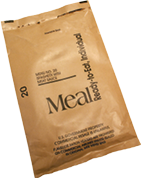
or a chemical reaction to take place, the reacting particles must first collide–freely, frequently, and at high velocity. Particles in gases move freely and swiftly and collide continually, but gas phase reactions are difficult to contain and are sometimes dangerous. The particles in a liquid also move freely and quickly and have a high rate of collision, but very few pure substances are liquids at normal temperatures and pressures. Thus many important chemical reactions must take place in liquid solutions, where the reacting particles (dissolved gases, liquids, and solids) are free to move and collide in a medium that is very easy to contain. For example, “meals ready to eat” (MREs), which are used to feed soldiers in the field, include a packet that contains powdered magnesium metal and a solid acid. These substances are unable to react in the solid form. When water is added to dissolve the acid, hydronium ions are liberated, and they migrate throughout the mixture, colliding with magnesium metal, reacting with it in an extremely exothermic process, and releasing enough heat to cook the meal.
We began to develop a mental image of how solutions form in Chapters 5 and 6, but there are still a lot of questions to be addressed. Let’s look at some situations you might encounter in a day spent doing chores around the house.
8:43 After an early breakfast, you have time for some car maintenance. The fluid level in your cooling system is low, so you mix coolant and water and add it to the radiator. You wonder why the coolant and water mix so easily.
9:21 Next, the lawn needs attention, but before you can cut the grass, you need to gas up the mower. In the process, you spill a little gasoline on the garage floor and try unsuccessfully to clean it up with water. Why don’t the gasoline and water mix?
12:40 Washing the lunch dishes gives you plenty of time to wonder why the dish soap helps clean grease away. You even have enough time to ask yourself why detergent works better than soap.
12:52 Your neighbor Hope drops by for a visit. You brew coffee for her and pour some iced tea for yourself. You seem to be out of granular sugar, so you raid the supply of sugar cubes that you usually save for dinner parties. Why does the sugar cube take longer to dissolve than the same amount of granular sugar, and why does powdered sugar dissolve even faster? Why do they all dissolve faster if you stir them? And why does sugar dissolve so much faster in the hot coffee than in the iced tea?
1:10 You convince Hope that it’s time to get out of the kitchen and into the outside world, so it’s off to Monterey Bay to do some scuba diving. On the way, you wonder about the reasons for some of the diving safety rules you’ve been taught. Why can diving too deep make you feel drowsy and disoriented? Why is it important to ascend from deep water slowly?
The discussion of solution dynamics in this chapter will answer these questions and many more.

13.1 Why Solutions Form
13.2 Fats, Oils, Soaps, and Detergents
13.3 Saturated Solutions and Dynamic Equilibrium
13.4 Solutions of Gases in Liquids

Water dissolves the solids in this MRE packet, allowing them to mix and react.